

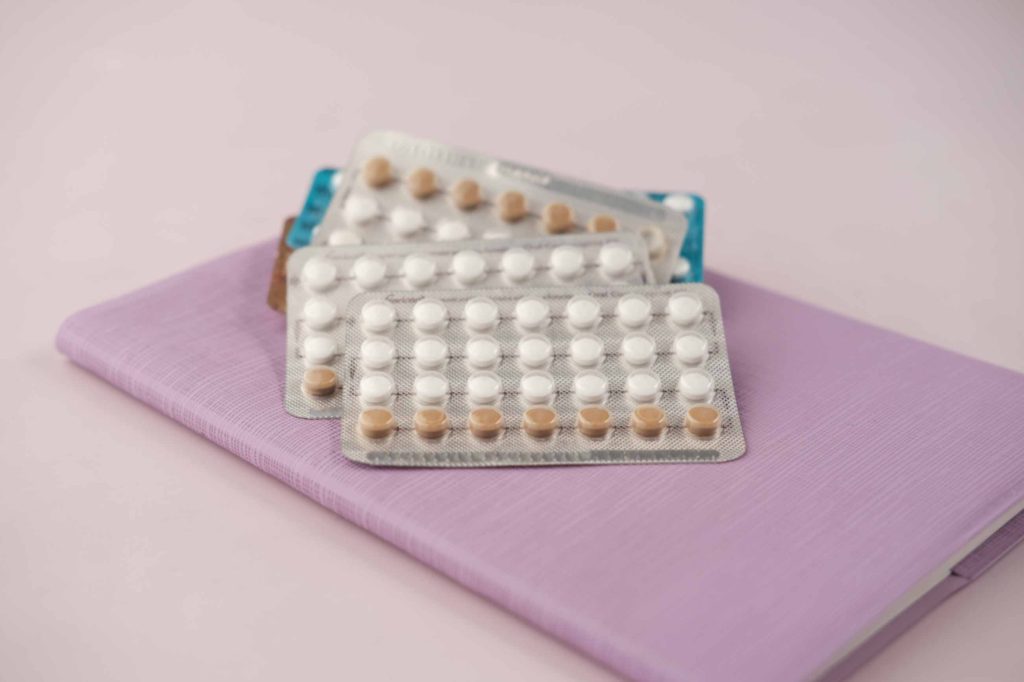
Sometimes it only takes a few seconds for a normal day to turn into a question that will not leave your mind. Did it work? What now? For thousands of people across the UK, this moment happens every year. In fact, NHS England data shows that emergency contraception was provided more than 83,000 times in a single year through sexual and reproductive health services, reflecting just how often people need urgent reassurance and clear options.
Understanding emergency contraception, how it works, and when to use it can remove uncertainty at a time when decisions feel time-sensitive. In this blog, we break it down simply so you know where you stand and what support is available in the UK.
What is emergency contraception, and when is it needed?
Emergency contraception is used to reduce the chance of pregnancy after unprotected sex, missed contraception, or contraceptive failure, such as a split condom. It works mainly by delaying or stopping ovulation so that pregnancy cannot occur.
It is important to know that emergency contraception is not the same as regular forms of contraception and should only be used occasionally. The sooner it is taken, the more effective it is.
How does emergency contraception work in the body?
Emergency contraception works by interfering with the natural hormone cycle that leads to ovulation. By delaying the release of an egg, it reduces the chance of sperm fertilising it.
Does emergency contraception affect an existing pregnancy?
Emergency contraception does not affect an existing pregnancy and will not cause harm if taken when already pregnant. It also does not increase the risk of future fertility problems.
Is emergency contraception the same as abortion?
Emergency contraception prevents pregnancy before it starts. It does not end an established pregnancy and is not the same as abortion.
What types of emergency contraceptive pills are available in the UK?
There are two main emergency contraceptive pills used in emergency contraception in the UK. At Alisha Pharmacy, we provide both options following a confidential consultation.
Levonorgestrel and Ulipristal Acetate Explained
- Levonorgestrel: Levonorgestrel, often known as Levonelle, can be taken up to 72 hours, or 3 days, after unprotected sex.
- EllaOne: Ulipristal acetate, known as EllaOne, is effective for up to 120 hours, or 5 days, after unprotected sex.
Both emergency contraceptive pills are safe and effective, but ulipristal acetate may work better later in the cycle. The sooner you take emergency contraception, the higher its effectiveness.
What are the possible side effects of emergency contraceptive pills?
Most people experience few or mild side effects of emergency contraceptive pills. These usually settle within a short time.
Common side effects to be aware of
Possible side effects of emergency contraceptive use include nausea, headache, dizziness, breast tenderness, and changes to the next period. Some people notice their next period comes earlier or later than expected.
If vomiting occurs within a few hours of taking the tablet, advice should be sought promptly from trained pharmacists, as another dose may be needed.
How does emergency contraception compare to regular contraception?
Emergency contraception is designed for occasional use only. Regular forms of contraception are more reliable for ongoing pregnancy prevention.
Understanding different forms of contraception
Regular options include the contraceptive pill, the contraceptive patch, and the contraceptive injection. Some people also use the contraceptive pill to stop period symptoms under guidance from trained pharmacists.
Choosing the right method depends on lifestyle, medical history, and personal preference. Our pharmacists can discuss suitable options and answer questions in a private setting.
When should you seek advice after taking emergency contraception?
Most people do not need follow-up after taking emergency contraception. However, advice should be sought if your period is more than seven days late, if you have severe abdominal pain, or if you feel unwell.
Emergency contraception does not protect against sexually transmitted infections, so further testing may be advised depending on circumstances.
How can Alisha Pharmacy support you with emergency contraception?
Accessing emergency contraception should feel supportive, respectful, and confidential. Our pharmacists are trained to provide clear guidance without judgement.
What to expect during a pharmacy consultation
A short and private consultation helps ensure the emergency contraceptive provided is safe and suitable. You will also receive advice on what to expect next and information on ongoing contraceptive options.
Take the next step with confidence and support
If you need emergency contraception or would like to discuss your contraceptive choices, support is available locally. You do not need to deal with these decisions alone or feel rushed into choosing without clear information.
Book an appointment at Alisha Pharmacy to receive confidential advice, timely treatment, and ongoing guidance personalised to your needs.
Frequently Asked Questions
How effective is emergency contraception after unprotected sex?
Emergency contraception is most effective when taken as soon as possible after unprotected sex. Effectiveness reduces with time, which is why taking the emergency contraceptive pill early significantly lowers the risk of pregnancy.
Can emergency contraception delay your period?
Yes, emergency contraception can cause your next period to come earlier or later than expected. This is common and usually temporary. If your period is more than seven days late, further advice should be sought.
Is emergency contraception safe to use more than once?
Emergency contraception is safe to use more than once, but it is not recommended as a regular method. Ongoing forms of contraception such as the pill, patch, or injection offer more reliable long-term protection.
Does emergency contraception work during ovulation?
Emergency contraception may be less effective during ovulation, especially levonorgestrel. Ulipristal acetate can still work closer to ovulation, which is why timing and professional advice are important when choosing the right option.
Can emergency contraception cause long-term side effects?
There is no evidence that emergency contraception causes long-term side effects or affects future fertility. Most side effects are mild, short-lived, and settle within a few days after taking the tablet.
What types of emergency contraception are available in the UK?
In the UK, emergency contraception generally includes two emergency contraceptive pills called ‘levonorgestrel’ and ‘ulipristal acetate’, as well as the copper coil. Pills must be taken within specific time limits to be effective.