
Not all pregnancy risks come with obvious warning signs. High blood pressure is one of the most concerning because it can develop quietly, without pain or discomfort. NHS data shows that around 1 in 10 pregnancies in the UK are affected by high blood pressure or related conditions. Understanding what is normal in pregnancy and when readings become a concern is key to reducing risks for both parent and baby. Let us understand the risks of high blood pressure in pregnancy and the steps you can take to support your health during this time.
What is high blood pressure in pregnancy, and how can it affect you and your baby?
High blood pressure in pregnancy means your readings are higher than what is considered healthy during pregnancy. It matters because raised blood pressure can affect how well the placenta works and may increase the risk of complications if not monitored properly.
Blood pressure and pregnancy are closely linked because the body is working harder to support a growing baby. While some changes are expected, consistently high readings should never be ignored.
What is considered normal blood pressure in pregnancy?
Normal blood pressure in pregnancy is usually below 140 over 90. Many people will have readings closer to 120 over 80, which is often seen as normal blood pressure outside pregnancy too.
A single high reading does not always mean a problem, but repeated raised readings need review. Using a reliable blood pressure monitor at home can help track changes between appointments.
When does high blood pressure usually develop?
High blood pressure in pregnancy can appear at different stages. Some people have high blood pressure before becoming pregnant, while others develop it during pregnancy, often after 20 weeks.
Early detection makes a big difference, which is why regular checks and awareness of symptoms are important.
What causes high blood pressure during pregnancy?
There is no single answer to what causes high blood pressure, especially during pregnancy. It often develops due to a mix of physical changes and individual risk factors.
Common risk factors to be aware of
Some factors increase the likelihood of developing high blood pressure in pregnancy, including:
- A personal or family history of high blood pressure.
- Carrying more than one baby.
- Being over 40.
- Having a higher body weight before pregnancy.
These factors do not mean you will develop problems, but they do mean closer monitoring is helpful.
Can lifestyle changes affect blood pressure during pregnancy?
Lifestyle habits can have an impact on blood pressure during pregnancy. Diet, activity, stress levels and sleep all contribute and may support blood pressure control when combined with appropriate monitoring.
What are the symptoms of high blood pressure to look out for?
High blood pressure symptoms are not always obvious, which is why regular checks are essential. Many people feel completely well, even with raised readings.
Symptoms that should not be ignored
Some symptoms may suggest blood pressure is rising and should be checked promptly:
- Persistent headaches.
- Blurred vision or seeing flashing lights.
- Swelling of the face, hands or feet.
- Feeling generally unwell or unusually tired.
These symptoms do not always mean high blood pressure, but they are worth discussing with a healthcare professional.
Why symptoms alone cannot reliably detect high blood pressure
Because symptoms can be mild or absent, relying only on how you feel is not enough. A blood pressure monitor allows for accurate tracking and early action if readings change.
How is high blood pressure monitored and managed during pregnancy?
Managing high blood pressure in pregnancy focuses on regular monitoring, lifestyle support and treatment where needed. The goal is to keep blood pressure within a safe range throughout pregnancy.
Monitoring blood pressure at home
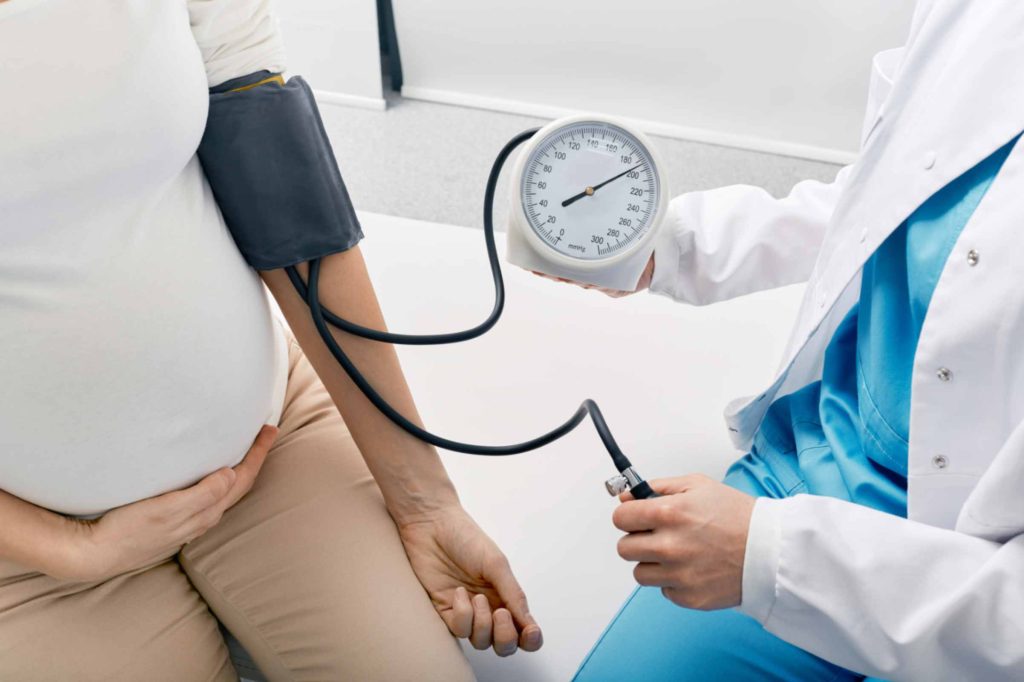
Home monitoring is often recommended. Using a validated blood pressure monitor helps provide a clearer picture of your readings over time, not just on one day.
Pharmacists can show you how to take accurate readings and explain what numbers to watch for.
How to reduce high blood pressure safely
Many people ask how to reduce high blood pressure during pregnancy. Safe steps may include:
- Eating a balanced diet with less salt.
- Staying gently active if advised.
- Managing stress and getting enough rest.
- Attending regular check-ups.
Any treatment plan should always be guided by qualified healthcare professionals to ensure it is safe during pregnancy.
When should you seek advice about blood pressure in pregnancy?
You should seek advice if you have consistently high readings, notice new symptoms, or feel unsure about your blood pressure results. Early support can prevent complications later on.
At Alisha Pharmacy, our trained pharmacists are well placed to offer guidance, explain readings and help decide when further assessment is needed.
Looking for guidance on blood pressure during pregnancy?
If you are concerned about high blood pressure in pregnancy or want help understanding your readings, support is available.
Book an appointment at Alisha Pharmacy for a blood pressure check, personalised advice and ongoing support from our pharmacists in a calm and reassuring setting.
Frequently Asked Questions
Can high blood pressure cause flashing lights in the eyes during pregnancy?
Yes, high blood pressure can cause visual changes such as flashing lights or blurred vision. This may signal raised blood pressure affecting circulation and should always be checked promptly by a trained pharmacist.
What blood pressure reading is considered high during pregnancy in the UK?
In pregnancy, blood pressure readings consistently at or above 140 over 90 are considered high. Readings lower than this are usually classed as normal blood pressure in pregnancy.
Can high blood pressure in pregnancy go away after birth?
For many people, blood pressure returns to normal after pregnancy. However, some may continue to have high blood pressure and need ongoing monitoring and lifestyle support after birth.
What are the earliest symptoms of high blood pressure in pregnancy?
Early high blood pressure symptoms can include headaches, dizziness, visual changes or swelling, although many people notice no symptoms at all. Regular monitoring is the most reliable way to detect changes.
How often should blood pressure be checked during pregnancy?
Blood pressure is usually checked at routine maternity appointments. Some people may be advised to monitor more frequently at home using a blood pressure monitor, especially if readings have been raised.
Can stress cause high blood pressure during pregnancy?
Stress alone does not usually cause high blood pressure, but it can contribute to temporary rises. Managing stress, rest and overall wellbeing can help support healthier blood pressure during pregnancy.