

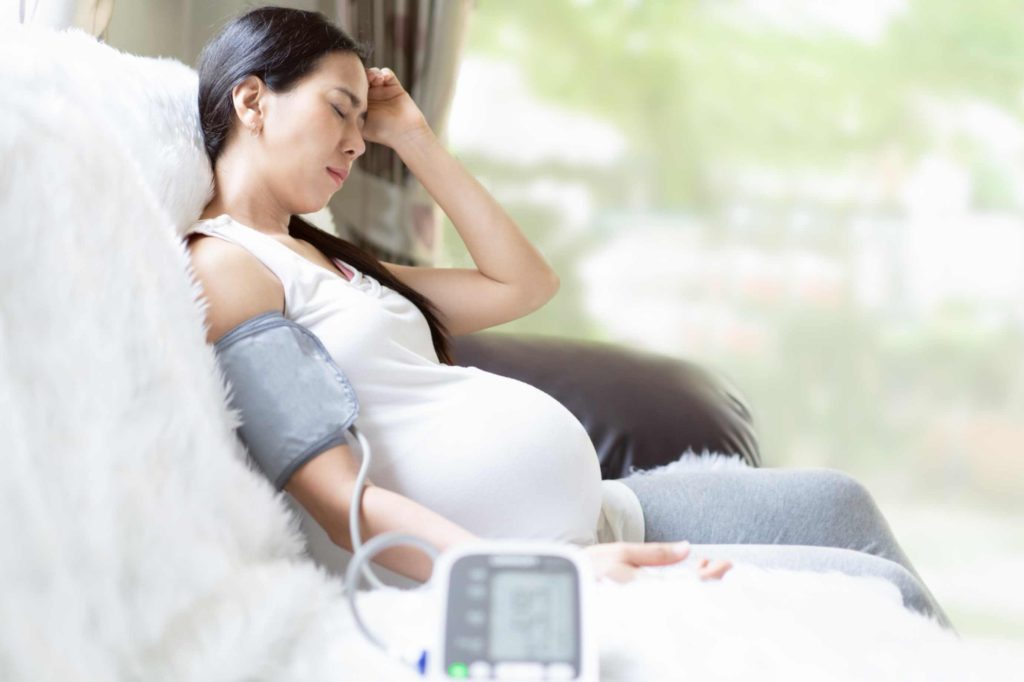
It often starts with something small. You stand up, take a step, and suddenly feel a wave of lightheadedness that makes you stop and steady yourself. For many pregnant women, moments like this become a quiet but worrying part of everyday life. Low blood pressure in pregnancy is surprisingly common and can happen even if you had normal blood pressure before becoming pregnant.
These changes are closely linked to how blood pressure and pregnancy interact as the body works harder to support a growing baby. Knowing what is normal, what symptoms to watch for, and how low blood pressure can be managed safely can bring reassurance and help you feel more in control as your pregnancy progresses.
What is low blood pressure in pregnancy, and why does it happen?
Low blood pressure in pregnancy means your blood pressure readings are lower than the usual range for adults. This often happens because pregnancy causes natural changes in circulation.
During pregnancy, your body releases hormones that relax blood vessels. This allows more blood to reach the baby but can also lower pressure in the rest of the body. As a result, low blood pressure for pregnant women is most common in the first and second trimesters.
What is considered normal blood pressure in pregnancy?
Normal blood pressure in pregnancy is usually close to normal blood pressure outside pregnancy. For most adults, this is around 120 over 80. Slightly lower readings can still be healthy during pregnancy.
How is blood pressure checked during pregnancy?
Blood pressure is checked using a blood pressure monitor. This may be done at antenatal appointments or at home if advised. Regular checks help spot changes early.
What is normal blood pressure by age?
Around 120 over 80 mm Hg is often considered a typical blood pressure reading for healthy adults. However, normal blood pressure varies with age and life stage, which is why readings are interpreted differently for children, adults, and pregnant women.
Average blood pressure ranges for children and teenagers
| Age group | Systolic (top number) mm Hg | Diastolic (bottom number) mm Hg |
| Newborns up to 1 month | 60–90 | 20–60 |
| Infants | 87–105 | 53–66 |
| Toddlers | 95–105 | 53–66 |
| Preschoolers | 95–110 | 56–70 |
| School-aged children | 97–112 | 57–71 |
| Adolescents | 112–128 | 66–80 |
Average blood pressure in adulthood by age and gender
| Age | Women | Men |
| 18–39 years | 110/68 mm Hg | 119/70 mm Hg |
| 40–59 years | 122/74 mm Hg | 124/77 mm Hg |
| 60 years and over | 139/68 mm Hg | 133/69 mm Hg |
It is important to note that normal blood pressure in pregnancy may be slightly lower, particularly in early pregnancy, due to natural hormonal changes that relax blood vessels.
What causes low blood pressure during pregnancy?
Low blood pressure and pregnancy are closely linked due to physical and hormonal changes. In most cases, the cause is not serious.
Common reasons for low readings
Factors that cause low blood pressure can include dehydration, standing up too quickly, lying on your back for long periods, or not eating regularly. Warm weather can also lower readings.
Can morning sickness affect blood pressure?
Yes. Ongoing sickness can lead to fluid loss and low blood sugar, both of which may contribute to low blood pressure symptoms.
Is low blood pressure a concern for pregnant women?
In rare cases, very low readings may be linked to underlying health conditions. If symptoms are persistent or severe, our pharmacists may suggest further assessment.
What are the common low blood pressure symptoms in pregnancy?
Low blood pressure symptoms can range from mild to uncomfortable. Many pregnant women notice them at some point.
Physical symptoms you may notice
Common symptoms include dizziness, lightheadedness, blurred vision, nausea, and feeling faint. Some people also feel unusually tired.
When do symptoms usually occur?
Low blood pressure symptoms often appear when standing up quickly, after long periods without food, or when lying flat on your back, especially later in pregnancy.
When should symptoms not be ignored?
If you experience fainting, chest discomfort, or symptoms that do not improve, it is important to speak to one of our pharmacists promptly.
How can low blood pressure in pregnancy be managed safely?
Most cases of low blood pressure during pregnancy can be managed with simple lifestyle steps that support healthy circulation.
Practical steps you can take daily
Drinking enough fluids, eating small regular meals, and standing up slowly can help. Wearing loose clothing and avoiding long periods of standing may also reduce symptoms.
Positioning and rest tips
Lying on your side rather than your back can improve blood flow. Gentle movement and rest breaks during the day are also helpful.
Is monitoring at home useful?
Using a blood pressure monitor at home can help track patterns. Our pharmacists can show you how to take accurate readings and understand the results.
When should you seek advice about low blood pressure?
While low blood pressure in pregnancy is often normal, support is available if you feel unsure.
If symptoms interfere with daily life, worsen over time, or cause falls, it is sensible to seek advice. Early guidance can prevent discomfort and reassure you that everything is on track.
Get personalised pregnancy blood pressure support at Alisha Pharmacy
If you are concerned about low blood pressure in pregnancy or want help understanding your readings, support is close by.
Book an appointment at Alisha Pharmacy for a blood pressure check, personalised advice, and practical guidance from trained pharmacists who understand pregnancy care.
Frequently Asked Questions
Can low blood pressure harm my baby during pregnancy?
In most pregnancies, low blood pressure does not harm the baby. It is usually linked to hormonal and circulation changes. Problems are uncommon unless symptoms are severe or cause frequent fainting, which should be discussed with trained pharmacists.
What is considered dangerously low blood pressure in pregnancy?
Blood pressure is usually considered very low if readings drop below 90 over 60 alongside symptoms like fainting or confusion. A single low reading is not always concerning, but repeated low values should be reviewed by a pharmacist.
Why do I feel dizzy when standing up while pregnant?
Feeling dizzy when standing is common due to sudden drops in blood pressure. Pregnancy hormones relax blood vessels, slowing blood flow to the brain briefly. Standing up slowly and staying hydrated often helps reduce these episodes.
Can dehydration cause low blood pressure in pregnancy?
Yes, dehydration is a common cause of low blood pressure in pregnancy. Vomiting, reduced fluid intake, or hot weather can lower blood volume. Drinking water regularly and replacing lost fluids can improve symptoms in many pregnant women.
Should Imonitormy blood pressure at home during pregnancy?
Home monitoring can be helpful if you experience symptoms or are advised to check readings. Using a reliable blood pressure monitor and recording results allows pharmacists to spot patterns and provide tailored guidance when needed.
When should I seek help for low blood pressure symptoms in pregnancy?
You should seek advice if symptoms are persistent, worsen, or include fainting, vision problems, or falls. Our pharmacists can assess your readings, review symptoms, and advise whether further medical support is needed.